
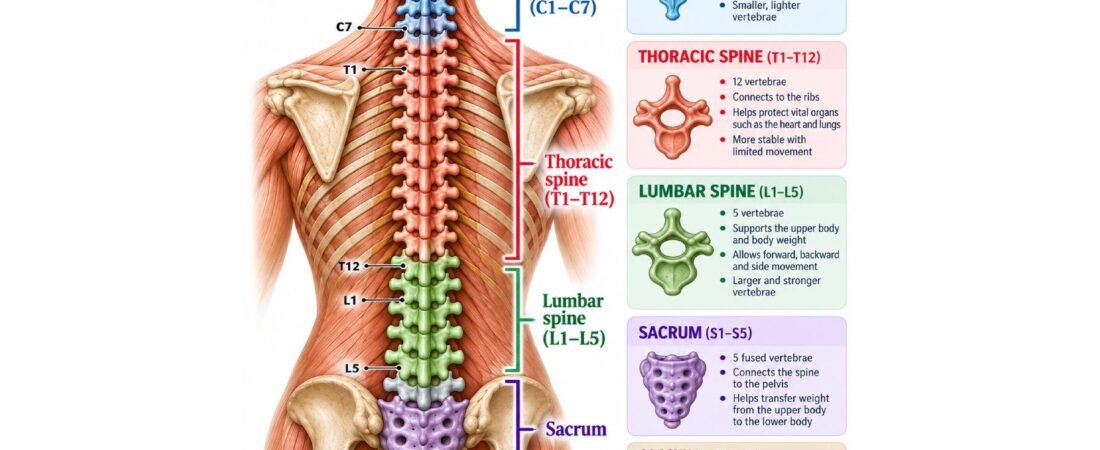
Hormonal shifts—whether from perimenopause, menopause, PCOS, irregular cycles, or age-related declines in testosterone—often appear as stubborn weight gain, constant fatigue, mood swings, hair changes, and broken sleep. Diet and exercise help, yet many people still feel stuck. One frequently overlooked factor is the spine and the nervous system it protects.
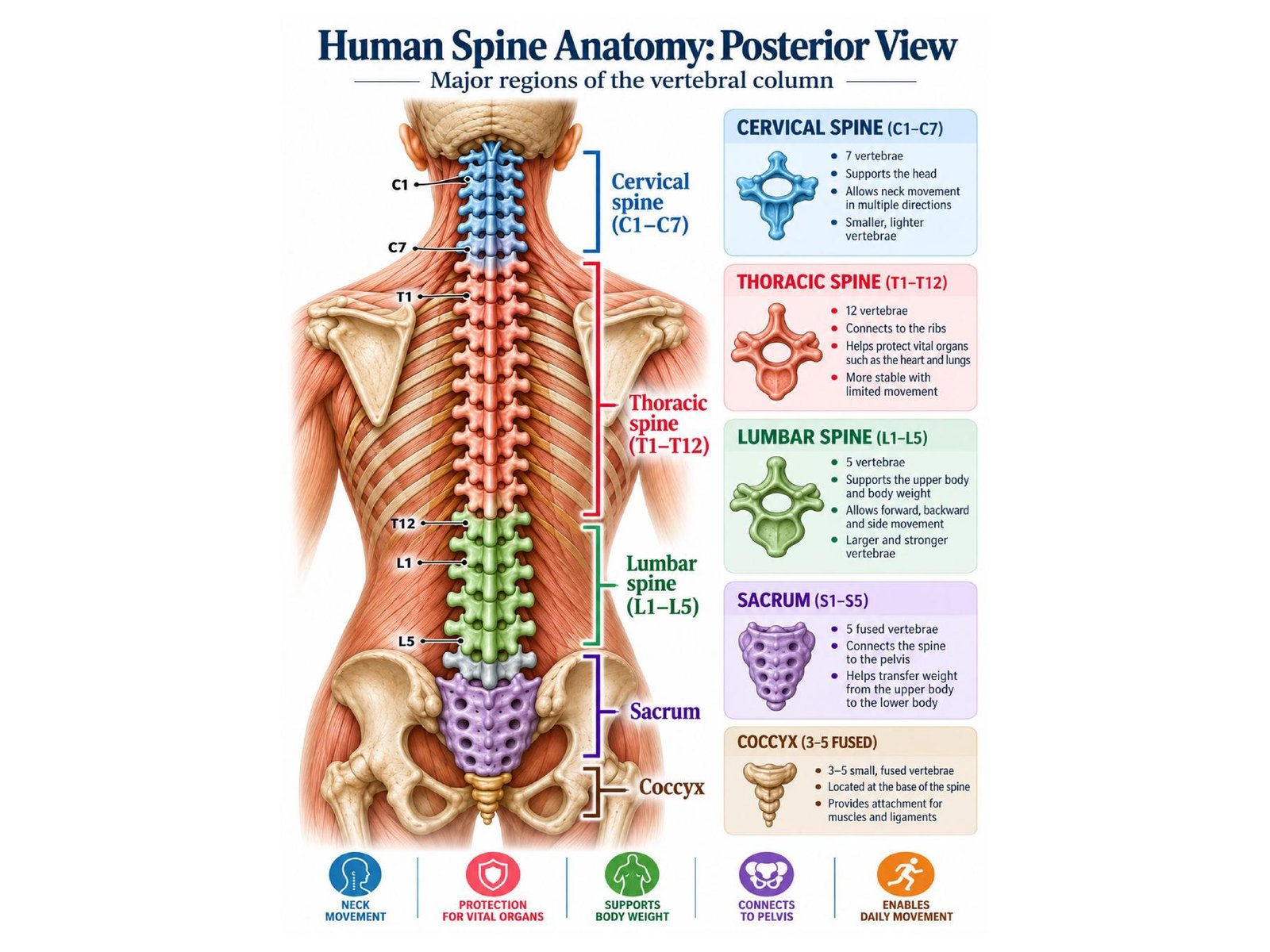
Your spinal cord is the main communication highway between the brain and the glands that produce hormones. When posture collapses (forward head, rounded shoulders, tight hips from prolonged sitting) or the spine stays stiff, it can keep the autonomic nervous system tilted toward “fight-or-flight.” That state favors higher or poorly regulated cortisol. Chronically elevated cortisol makes weight loss harder, disrupts sleep, worsens mood and anxiety, and can interfere with sex hormones, thyroid signaling, and recovery.
Specific spinal regions supply nerves that influence key players:
– Upper spine and neck areas connect to thyroid regulation and aspects of the stress response.
– Mid-back (thoracic) and upper lumbar segments link to the adrenal glands that release cortisol.
– Lower spine relates to reproductive organs.
Clearer signaling and less mechanical stress help the body shift toward better balance. Improved posture and mobility also make everyday movement, deeper breathing, and better sleep easier—activities that naturally support endorphins, serotonin, and dopamine (often called the “happy hormones”).
This does not replace medical care, hormone testing, or targeted treatment for PCOS, perimenopause, or low testosterone. It removes a common layer of interference so other efforts work better.
### How Spine Health Shows Up in Common Pain Points
**Unexplained weight gain and difficulty losing weight**
High cortisol promotes fat storage, especially around the midsection, and can blunt the effects of diet and exercise. Chronic postural stress keeps cortisol elevated even when you are not actively stressed, making fat loss feel impossible.
**Chronic fatigue and low energy**
Constant nervous-system tension drains recovery. Poor sleep compounds it. When the spine is stiff and posture is collapsed, breathing is shallower and overall energy output drops.
**Mood swings, anxiety, and irritability**
Cortisol dysregulation plus reduced movement and physical tension amplify emotional volatility. Better spinal mobility and posture support a calmer autonomic state and more consistent mood chemistry.
**Hair loss, thinning, or unwanted hair growth**
Stress hormones and overall hormonal imbalance can accelerate thinning or unwanted growth patterns. Reducing chronic nervous-system stress removes one contributing factor while you address the root hormonal drivers.
**Poor sleep quality and night sweats**
Elevated evening cortisol and physical tension make it harder to fall and stay asleep. Better alignment supports more restorative sleep positions and can reduce the physical stress that feeds night-time cortisol spikes.
### Practical Steps That Support Both Spine and Hormones
1. Take movement breaks every 30–45 minutes if you sit for work—stand, walk, or do simple thoracic rotations and chin tucks.
2. Strengthen the upper back and core while mobilizing the mid-back and hips (cat-cow, open-book rotations, glute bridges, bird-dogs).
3. Optimize sleep posture with a supportive pillow and mattress that keep the spine neutral.
4. Add daily walks, especially in daylight, for both mood chemistry and a healthier cortisol rhythm.
5. Use at-home tools that encourage better alignment or gentle decompression.
### Recommended Supports
These tools pair well with the steps above and can be used alongside targeted hormone-support strategies.
– Posture correctors or wearable reminders help desk workers maintain better alignment throughout the day and reduce constant forward-head stress.
**CTA:** Support better daily posture and reduce neck and upper-back tension → [affiliate link to top-rated posture corrector]
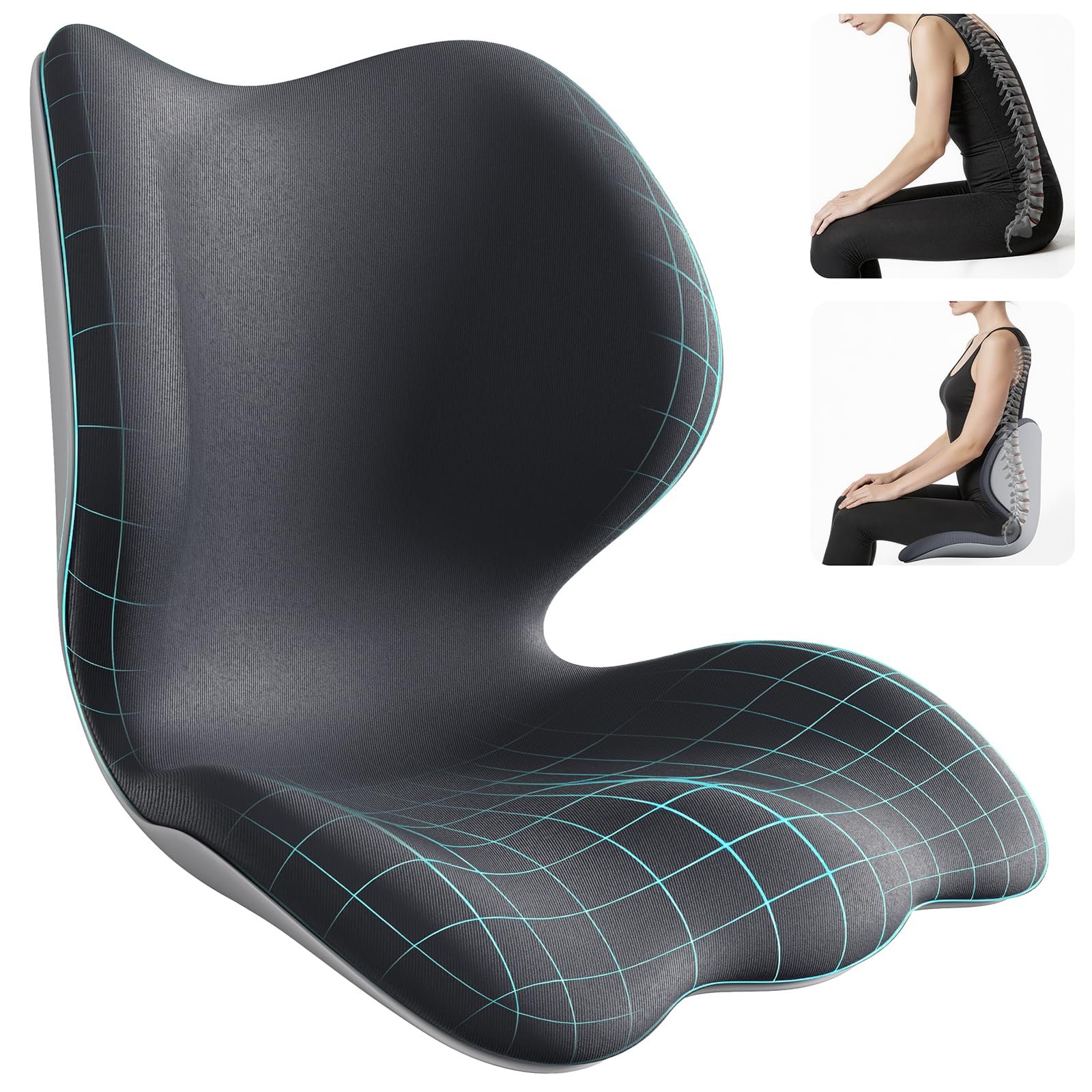
– Lumbar support cushions and ergonomic chair add-ons keep the lower spine neutral while sitting, which can lower overall postural strain and evening cortisol load.
**CTA:** Improve sitting alignment and comfort for longer work sessions → [affiliate link to lumbar support cushion]
– Cervical or thoracic traction and posture devices provide gentle decompression and help restore natural curves, supporting both comfort and nervous-system calm.
**CTA:** Explore at-home spinal alignment tools for neck and mid-back relief → [affiliate link to posture or traction device]
– Magnesium (glycinate or threonate forms) supports muscle relaxation, sleep quality, and stress response—useful across perimenopause, PCOS, and male fatigue.
**CTA:** Add magnesium for better sleep and muscle recovery → [affiliate link to high-quality magnesium]
– Audience-specific hormone-support formulas (adaptogens for stress, inositol-style support for PCOS metabolic issues, sleep blends for night sweats, or evidence-based nutrients for male energy and testosterone support) work best when combined with the physical steps above. Always check with a healthcare provider.
**CTA:** See hormone-support options matched to your symptoms → [affiliate link to relevant supplement or comparison]
– Sleep hygiene tools such as blue-light blockers, temperature-regulating products, or supportive sleep accessories further reduce night-time cortisol and improve rest.
**CTA:** Upgrade your sleep setup for fewer night sweats and deeper rest → [affiliate link to sleep product]
### Simple Daily Spine Routine (5–10 Minutes)
– 10 cat-cow movements to mobilize the entire spine.
– 8–10 open-book thoracic rotations per side.
– 10–12 glute bridges.
– 30-second chin tuck holds (repeat 3 times).
– End with 2–3 minutes of deep diaphragmatic breathing while lying on your back with knees bent.
### Final Thoughts and Next Steps
Addressing spinal alignment and posture does not fix every hormonal issue, but it removes a common, controllable source of chronic stress that amplifies weight gain, fatigue, mood swings, and poor sleep. Combined with appropriate testing, nutrition, movement, and targeted support, it creates a stronger foundation for better energy and more stable hormones.
Start with the movement breaks and sleep posture changes this week. Then layer in one or two of the tools above that match your biggest pain point.
**Strong end CTA:**
Ready to support both your spine and your hormones? Begin with better daily alignment and recovery tools → [primary affiliate link or comparison page]
**Secondary CTA:**
Download or bookmark a short checklist of the daily spine habits and product options that pair best with perimenopause, PCOS, or male hormone support → [link to lead magnet or related article]
This post is educational and not medical advice. Consult a qualified healthcare provider for persistent symptoms, hormone testing, or before starting new supplements.